
Skip Navigation or Skip to Content
  • Windelo Blog
  • /
  • Sailing in the Virgin Islands by Sam Jefferson
Read full post: Sailing in the Virgin Islands by Sam Jefferson

Sailing in the Virgin Islands by Sam Jefferson

Dec 8, 2023

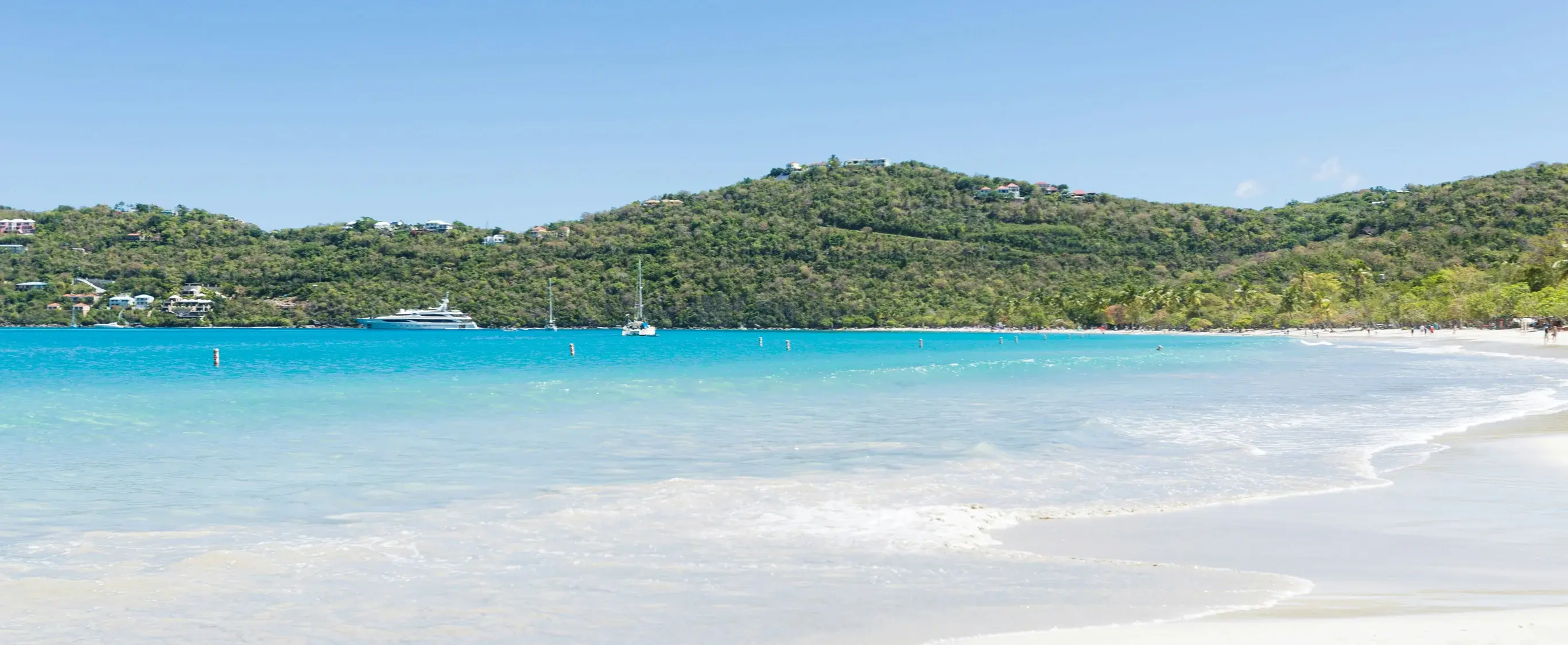
Picture yourself anchored off a powdery white sandy beach fringed with palms, azure waters lapping against the hull of fringed while you relax in the cockpit, rum punch in hand, fanned by the trade winds. The nights are hypnotic; the darkness is velvety and hums to the sound of the cicadas, the mighty trade winds thrumming in your rigging, and the steady pulse of a reggae beat from the shore. There you have the essence of Caribbean cruising – and it can be found in spades in the British Virgin Islands.

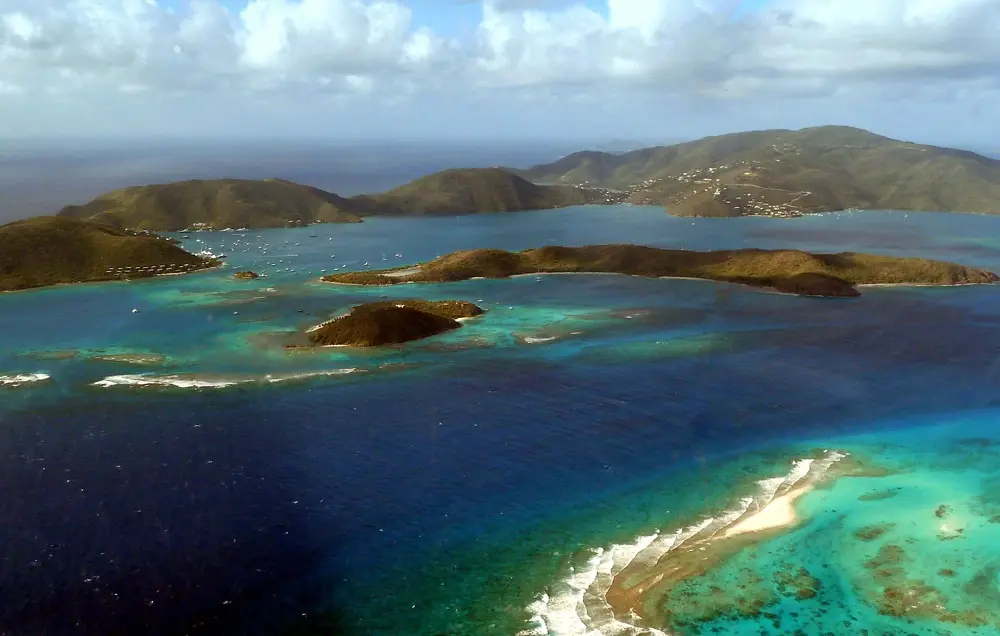
This chain of islands set SE of Puerto Rico and north of Anguilla has long been one of the great treasure troves for cruising sailors. A labyrinth of islands scattered across azure-blue Caribbean seas. There are 60 individual islands in total in the chain and you can spend a week, a month, or even a year exploring them all and not get bored. Meanwhile, the blend of good beaches, decent protection from the Atlantic swell behind the myriad islands, and steady trade winds make this a wonderful place for an extended cruise. The chain of islands is split into the British and US Virgin Islands but, for the purposes of this article, we will stick with the British, which certainly has its own distinct feel.

Exploring the Virgin Islands by catamaran

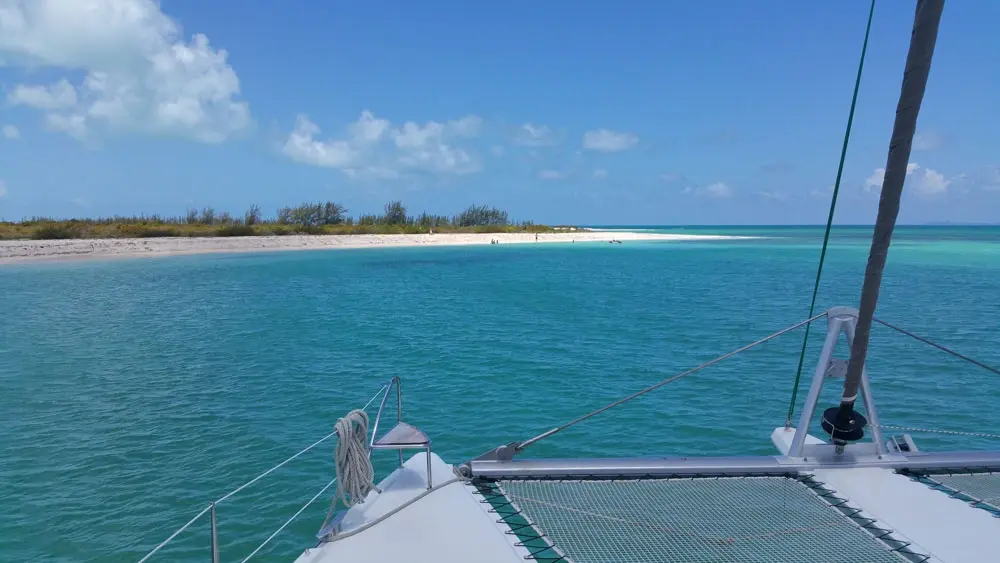
The Virgin Islands were made to be explored by catamaran. There are limited marinas but bountiful well-protected anchorages. One of the big drawbacks for monohulls is that even the most protected anchorage still gets a bit of swell in it from time to time. If you are sat on the deck of your Windelo, you won’t even feel this, while on a monohull, things can get just a touch roly-poly.
virgin-islands1

British Virgin Islands: anchoring and mooring

The other great advantage of a catamaran is that shallow draft – at least with the daggerboards up. The British Virgin Islands have their fair share of coral reefs and shallow lagoons. Given that anchoring is also frequently the only available means of mooring if you want to explore, the prime spots and the most protected are generally close to the shore and out of the reach of most keelboats. So a multihull opens up whole new avenues for exploration.

As mentioned, there is a good deal of coral reefs about, and this is a fragile ecosystem that has already suffered much at the hands of human beings. Great care must therefore be taken when anchoring so that you don’t get fouled up in coral. Firstly, because it damages the reef but also because you may find your anchor horribly wedged. Fortunately, the water is gin clear and this means that generally, you can see precisely where you are dropping your anchor. Unlike in the Mediterranean, depths close in are often relatively moderate, with gently shelving beaches meaning you don’t generally have the Med problem of sailing in very close to the shore and still finding yourself in 10m of water. Anchorages are also sufficiently plentiful that they don’t tend to get overcrowded, and the European practice of long lining to shore is not generally carried out. There is a very modest amount of tide, but barely enough to be noticeable. Because of the consistency of the trade winds, all islands have a windward and a leeward coast. The windward side is generally wild, rugged, and surf-battered, while the leeward is calm and protected. Most islands – with the exception of Anegada, are sufficiently high to provide a decent lee for anchoring. Swells are also worth thinking about as a change in the direction of the mighty Atlantic swells can make for an uncomfortable night at anchor – or in a marina for that matter.

Navigation is generally pretty straightforward, particularly during the day and the main thing is not to get too complacent. The buoyage is imperfect at times, and there is much reliance on local knowledge, so you have to keep your wits about you. It’s worth noting that the buoyage is set up on the US system (zone B), which is precisely the opposite of what we enjoy in Europe. This is initially confusing.

One useful tip for navigating is to buy yourself a pair of polarised sunglasses. These cut out the glare of the sea and reveal exactly where the reefs are. It can often feel like the difference between night and day when you put them on.

virgins-islands

Wheather and when to go to the British Virgin Islands by catamaran

The British Virgin Islands are dominated by the trade winds and it is fanned year round by easterly winds generally blowing between 15 and 25kn. They are predictable and make for hugely enjoyable sailing once you adjust to their strength. The British Virgin Islands do not have sufficient land mass to create significant land or sea breezes so, aside from a funneling effect in narrow straits between islands, you can generally read the wind in a manner that is much easier than in Europe.

Although the British Virgin Islands are relatively hot year-round, being in the northern hemisphere means there is significant seasonal variation, with the summer months often becoming intolerably hot. Many also talk of ‘Christmas Winds’ around December when the trade winds seem to increase in strength. The great fear is, of course, hurricane season which runs from June 1 through to November 30. Make no mistake, many still sail at this time of year but there is always the niggling fear that you may encounter some truly nasty weather. The British Virgin Islands are not particularly mountainous, so there is less rain than on some other islands, but there is always a chance of a shower or ‘liquid sunshine’ as the locals call it. The driest period is generally between December and May.

A few recommendations before to go

I lived in the British Virgin Islands for one year, way back in 2000. I can therefore give you a feel of some of the best places to go but things have, of course, changed since then. Not least since Hurricane Irma struck back in 2014, leaving a trail of destruction in its wake. It’s also worth stating that there are so many islands and highlights it’s difficult to list them in one article, so I think it’s best if I just pick out my top five personal highlights.

virgin-islands

Where anchoring and mooring in the British Virgin Islands by catamaran

Oil Nut Bay

Oil Nut Bay is at the eastern end of Gorda Sound, at the northern tip of Virgin Gorda. The whole of this section of the sound is protected by a long reef, meaning that you are completely protected from the swells. As you head up to the eastern tip of the sound, the water becomes increasingly shallow until you get to Oil Nut Bay, where it is around 2m and absolutely gin clear. You can anchor here with care and enjoy superb snorkeling. Sadly, a resort was built some years back, which spoils the tranquility somewhat, but it does mean there is a bar ashore. If you’d prefer not to anchor, there are mooring buoys and a marina in neighboring Deep Bay. From there, it’s a short dinghy trip to snorkelling paradise.

Anegada

While most islands in the British Virgin Islands feel like variations on a theme, Anegada is the exception. While the other islands are hilly, Anegada, well to the north, is almost entirely flat and sits just above sea level on a massive coral reef. This is the main attraction as it is teeming with marine life and has a huge area of reef to explore. The island also has a very authentic castaway feel, with life ashore limited to a very small ramshackle village called The Settlement. This has little more than a couple of bars. Be aware that you should make a cautious approach to Anegada due to that extensive reef. The easiest anchorage is off Setting Point and is marked by lateral markers. You can anchor off, or there are a handful of mooring buoys. This is a good starting point to explore the island a little. There are other anchorages off the reef if you want to get serious about exploring the aquatic life.

The Baths

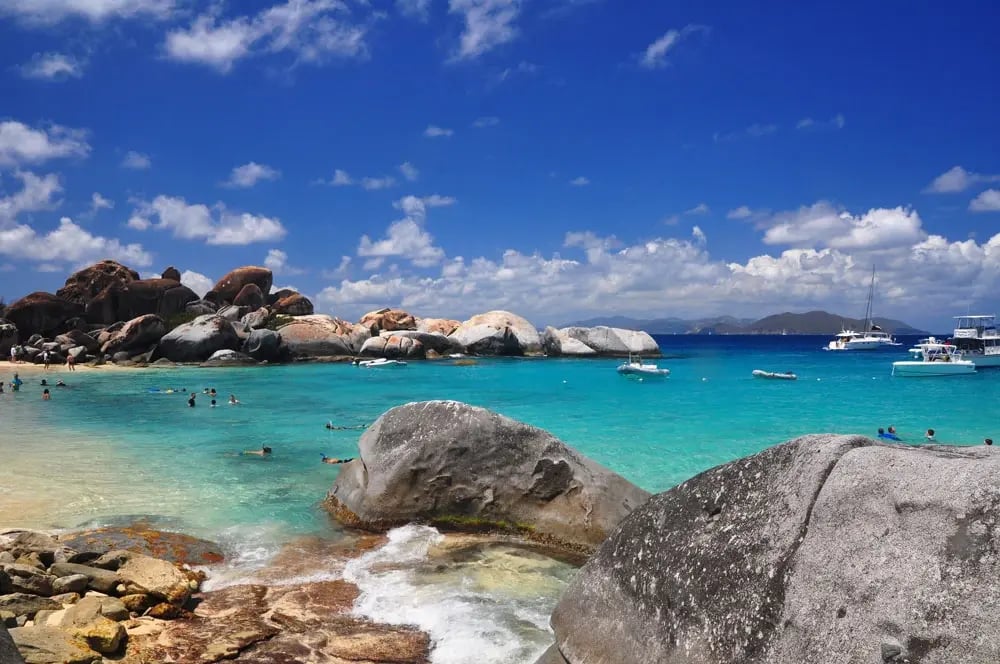
Situated at the southern tip of Virgin Gorda, The Baths are absolutely Iconic. This is a jumble of huge granite boulders that seem to have been thrown down from heaven onto a white sand beach. This has created a strange labyrinth between the boulders that have to be seen to be believed. It’s also a snorkeller’s delight with a selection of rock pools and passes between the rocks to explore. Given its iconic status, it attracts many tourists both by boat and by land. The best way to see it is probably by boat as you can stay the night and enjoy late evening and early morning when the trippers are gone. There are mooring buoys available in the steeply shelving bay and, although taking dinghies ashore is forbidden, there are a set of smaller buoys close in where you can tie up your tender and snorkel in.

Gorda Sound

This well-protected anchorage is hemmed in by three medium-sized islands: Eustatia, Prickly Pear, and Mosquito Island. These are fringed with a coral reef that keeps the whole sound protected from swells while also creating a superb haven for yachts. There are innumerable spots to anchor and visit, with the Iconic Bitter End Yacht Club always a popular spot to visit for dinner or a sundowner. In terms of anchorages, two excellent ones I recommend are as follows: Off the SW tip of Eustatia Island is a lovely sheltered anchoring spot in good weather surrounded by reef for snorkeling. It’s quiet here but you are only a dinghy ride away from the small bar at Saba Rock so that’s a nice option for an evening drink. Alternatively, Drakes Anchorage off Mosquito Island is suitably paradisical and offers good protection from Mosquito Island on one side and Colquhoun Reef on the other. As you can imagine, there is a lot of good snorkeling to be had here.

Cane Garden Bay

Situated on the northwest side of Tortola, this is a broad, well-protected bay with a superb anchorage – although it can get a tad busy at times so pick your moment (not the weekends). A few mooring buoys are available, or you can anchor on sand. Once settled in you find yourself in the archetypical Caribbean Bay, with a white sand beach fringed with whispering palms and set against a backdrop of emerald green hills. There is good snorkeling in the bay and a decent selection of bars.

Articles similaires

Discover the most beautiful ...
Windelo 54 – Skipper testimonial after two transatlantic crossings!
Windelo 54 – Skipper ...
Brochure-1

La brochure Windelo

Si vous souhaitez télécharger la brochure de notre gamme de catamarans, laissez nous votre adresse email et cliquez sur le bouton télécharger !