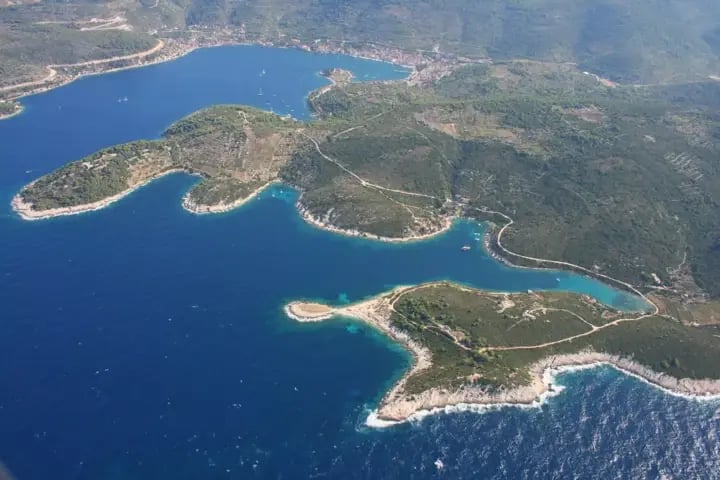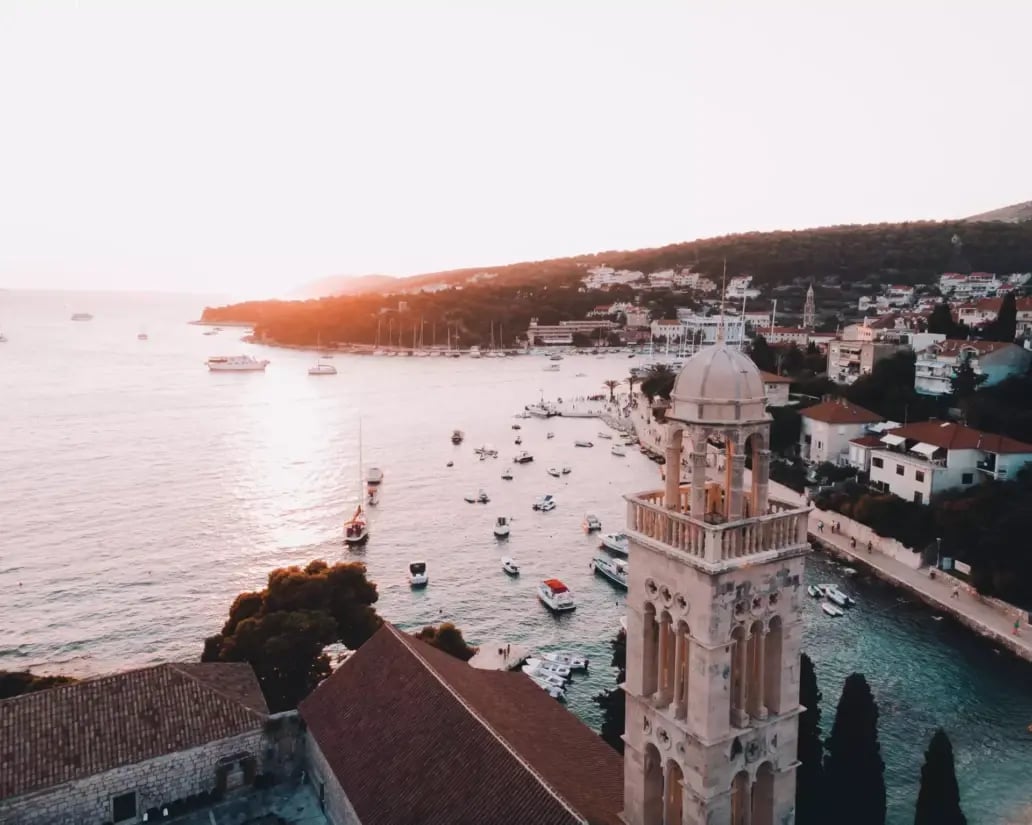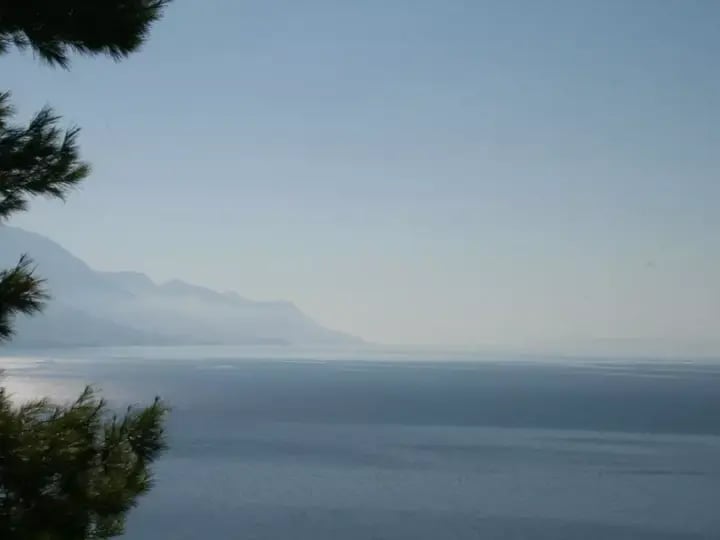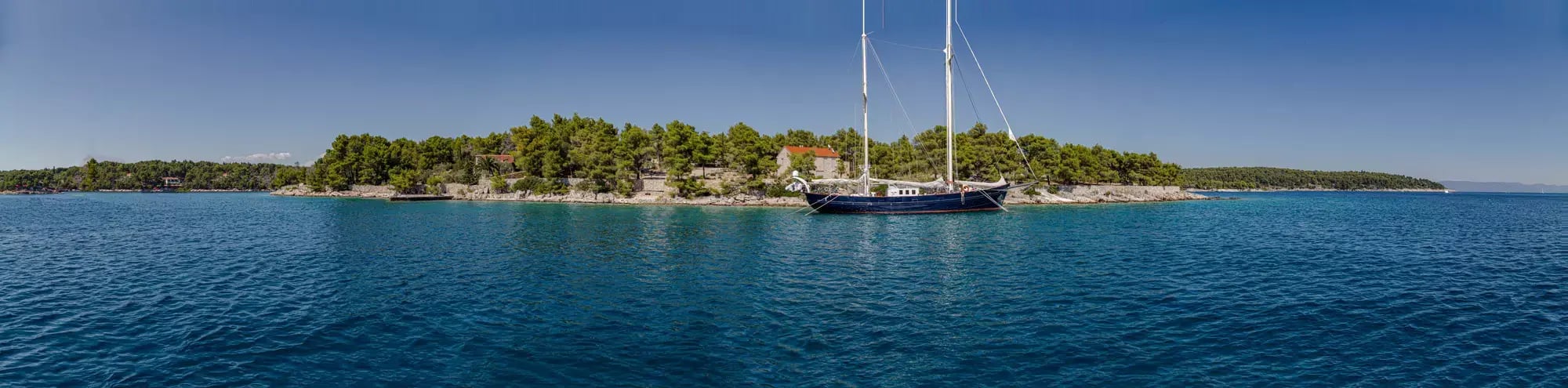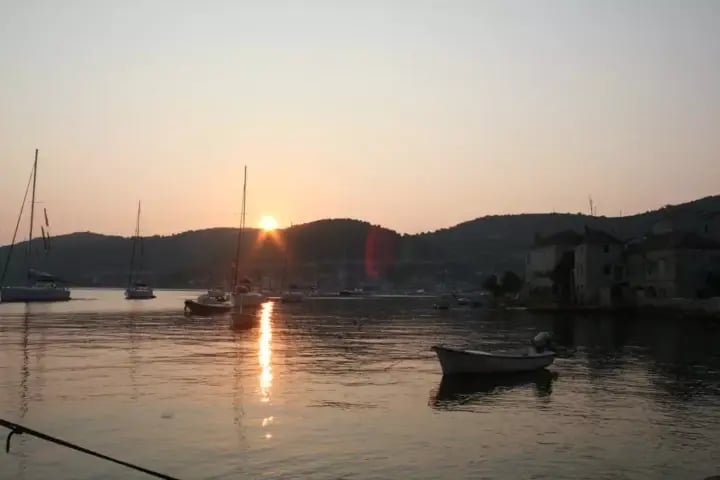

For cruising sailors, the Croatian coastline is one of the great treasures of this world. A pattern of islands sprinkled liberally into impossibly limpid waters along the entire length of the Croatian coastline. Today, sailor and journalist Sam Jefferson worked as a charter skipper in Croatia for two seasons, sharing his tips and best spots for anchoring and sailing Croatia!
- Windelo Blog
- /
- Sailing Croatia: best sailing spots
Sailing Croatia: best sailing spots
Sailing Croatia: Dalmatia by catamaran
Towards the southern end of the coast lie the Dalmatian islands. They differ from the tiny islands of northern Croatia. These are larger affairs altogether, dotted with villages and towns whose old walls whisper tales of invasion, occupation, counterattack, and re-occupation going back almost as far as history is recorded. Islands like Hvar and Vis draw in thousands of tourists every summer.
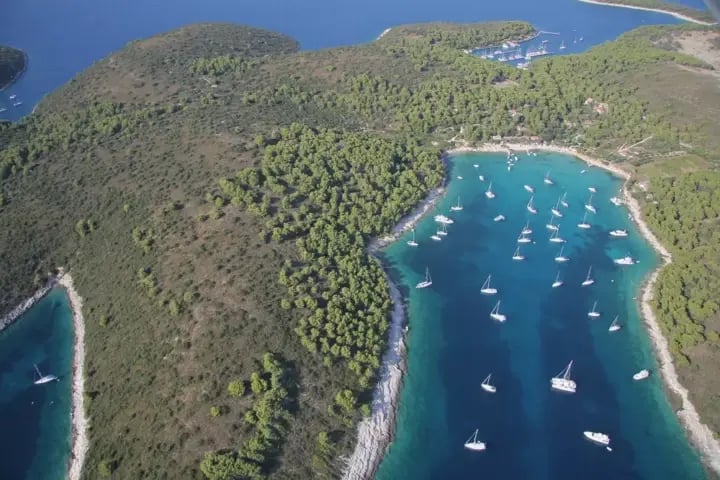
This means that now, more than ever, a yacht is the best way to explore the area if you want to evade the crowds as, despite the popularity of these islands, there remain many hidden spots, secluded coves, and sleepy villages off the beaten track. It’s just a question of finding them. If you succeed, you’ll find yourself enveloped in a world of limpid crystal-clear waters; coves flanked by whispering pines, and rugged, sunburnt slopes where the cicadas crackle like live electricity from among the rocks.
I spent two seasons working out here as a charter skipper, so I know the area well and have a few tips on where to go but also what to avoid.
Croatia: Exploring by catamaran
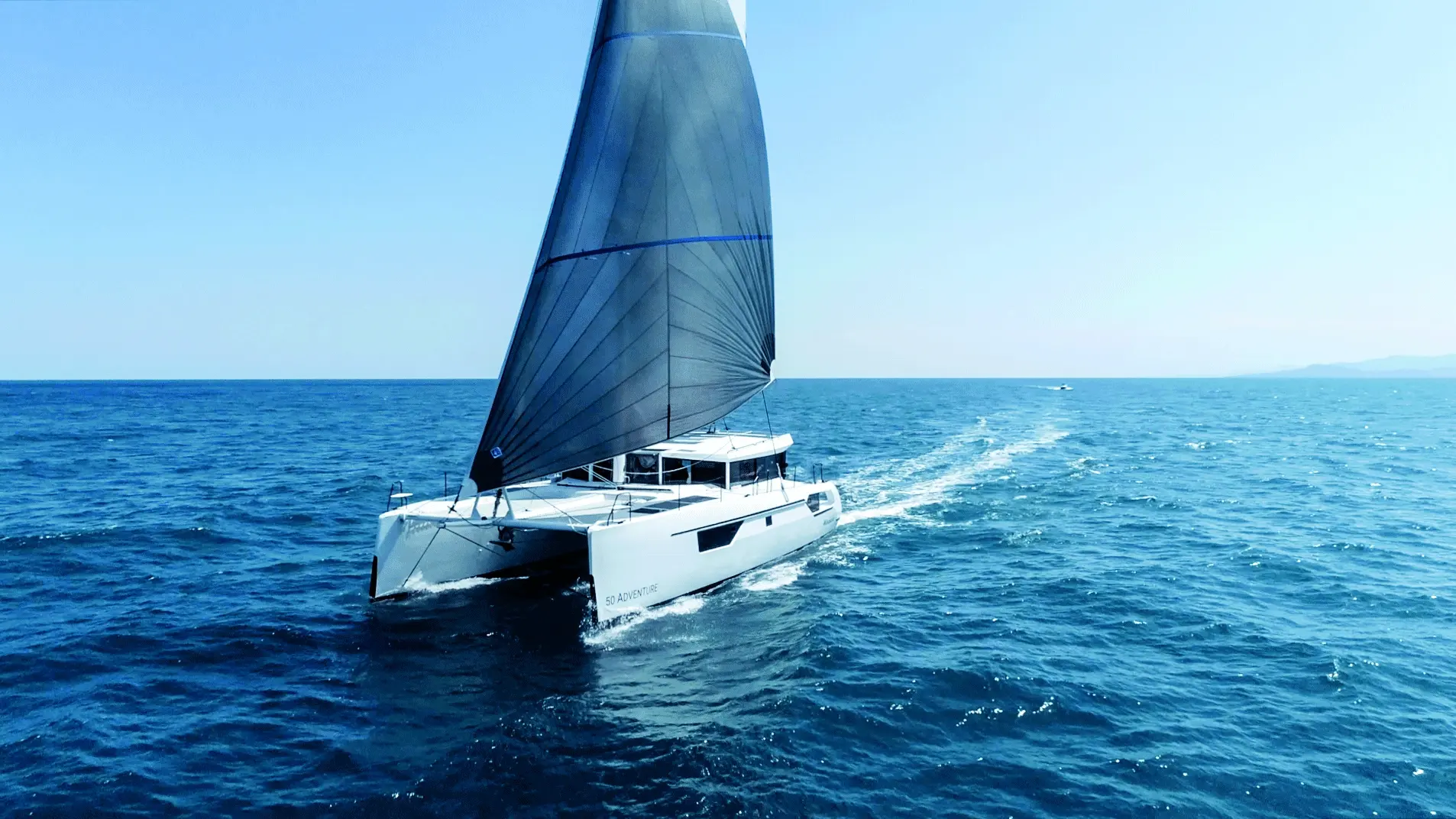
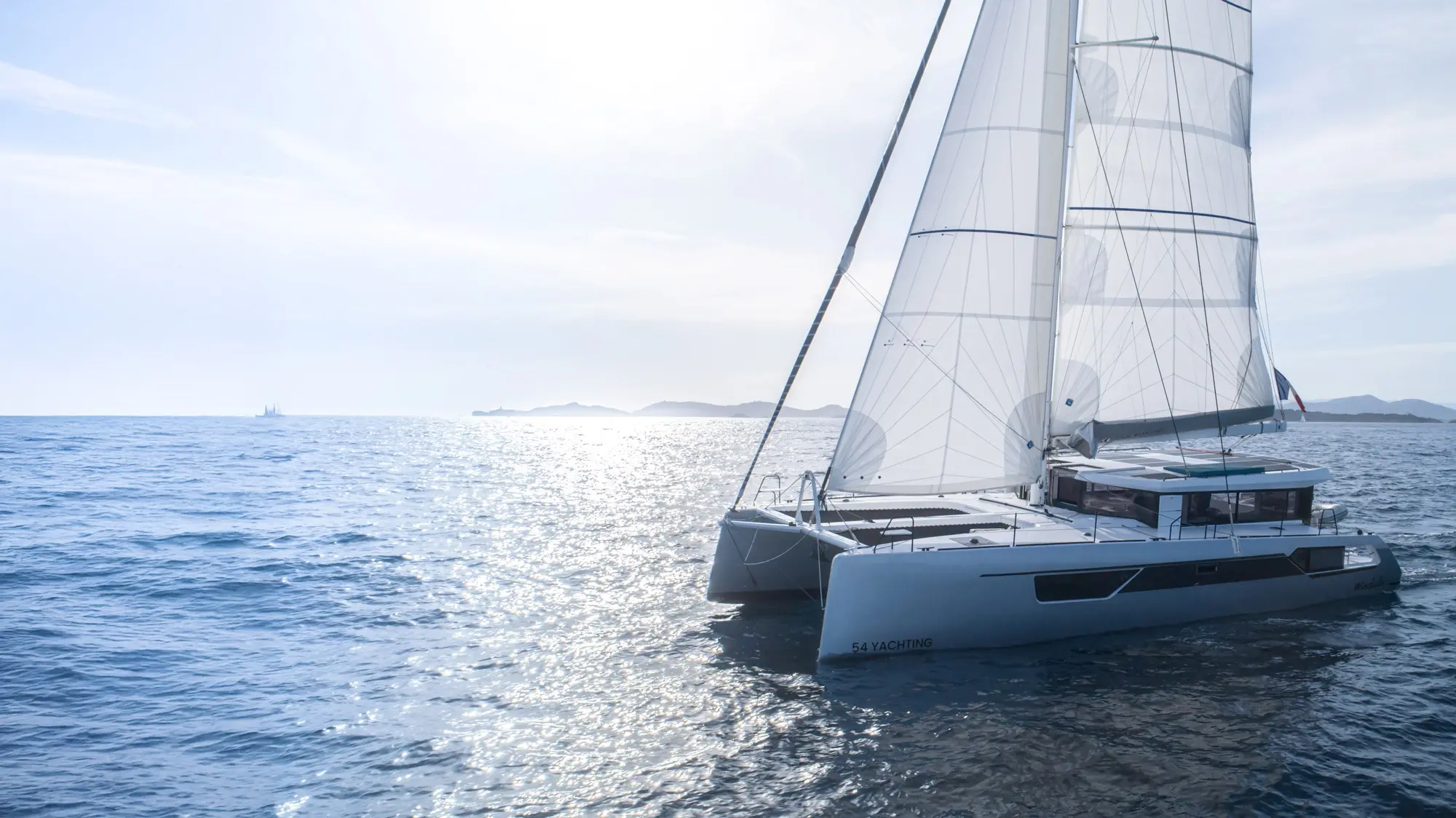
Exploring the Dalmatian coast by catamaran has its good sides and some challenges. The positive side is that a catamaran such as the Windelo can sidle close to the shore where traditional multihulls fear to head. This offers you more scope to anchor in the most secluded spots. The downside is that marinas in Croatia are very full and very expensive. A harbourmaster will, therefore, often charge double for a catamaran going on the rationale that it is taking two spaces. The good news is that this guide will focus on alluring anchorages and moorings, allowing you to get away from it all.
Anchoring and mooring in Croatia
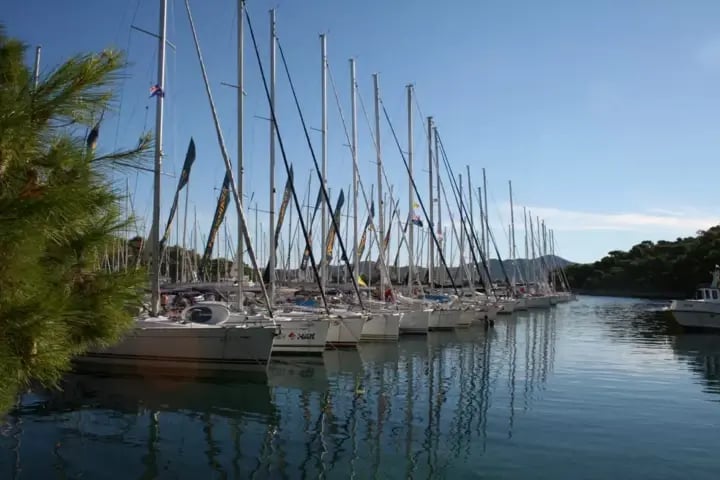
You always anchor stern at these ports, and most favor lazy lines – a line attached to a heavy rock or anchor in the middle of the harbor and then run ashore. This means you don’t have to worry about dropping your anchor and backing in, but you do have to be mindful of getting a prop wrap on arrival and departure.
In general, the waters are deep and close in, which can seem challenging when anchoring to the uninitiated. It does mean you can get very close to shore, although it is often necessary to attach a line ashore to prevent the boat from swinging when there are other boats around.
Weather and when to go sailing Croatia
You can generally expect wall-to-wall sunshine from April, but things don’t get really balmy until June. Until then, the water can be chilly. From hereon, the weather is uniformly clear and sunny right through to September. The coast benefits from being cooler in the evening, so you generally sleep undisturbed.
Winds are generally light until the sea breeze, or Maestral, kicks in around midday when it can build but rarely exceeds 20 knots and dies off in the evening. The only thing to look out for is the Bora. This is an NW wind prevalent in the off-season but can still catch out the unsuspecting yachtsman in summer.
It is worth noting that, like most of Southern Europe, Croatia gets insanely busy in August. The ports are not spared, with big flotillas of party boats often creating havoc. Avoid them at all costs. Perhaps the optimum time to go is mid-September when the seawater remains warm for swimming, but the tourists are gone.
Sailing Croatia, where to go and what to expect
Hvar et Pakleni
The island of Hvar is an excellent place to start, as it is something of a honeypot with sailors. Hvar Town itself is heavily marketed as a party town – no idea why, as it’s just a charming Venetian port with a decent selection of restaurants. Anyway, it gets so full in summer that most have to moor at the Palmizana marina in the neighboring Pakleni islands and take a water taxi over. From personal experience, I’d say give it a miss.
The Dalmatian Islands are crammed with charming Venetian ports, so why jostle with lots of boats and human traffic at the busiest? Personally, I was always much more taken with the Pakleni islands. I would generally usher guests off to Hvar and then take a walk from Palmizana along a path that followed the ridge of the island of Sveti Klement – the largest island in the chain. Here you can enjoy real peace and tranquility. A half-hour walk brought you to the sleepy village of Vlaka, where you could get a cold beer and, with any luck, Konoba Dionis, the small restaurant, would be open. You could enjoy a simple but delicious meal before strolling back in the twilight.
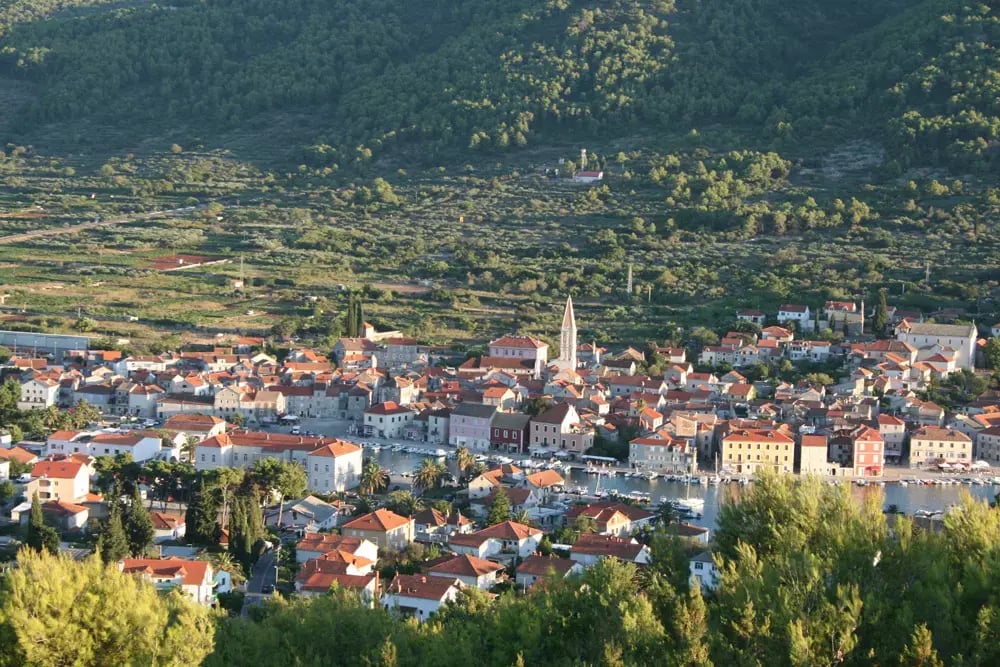
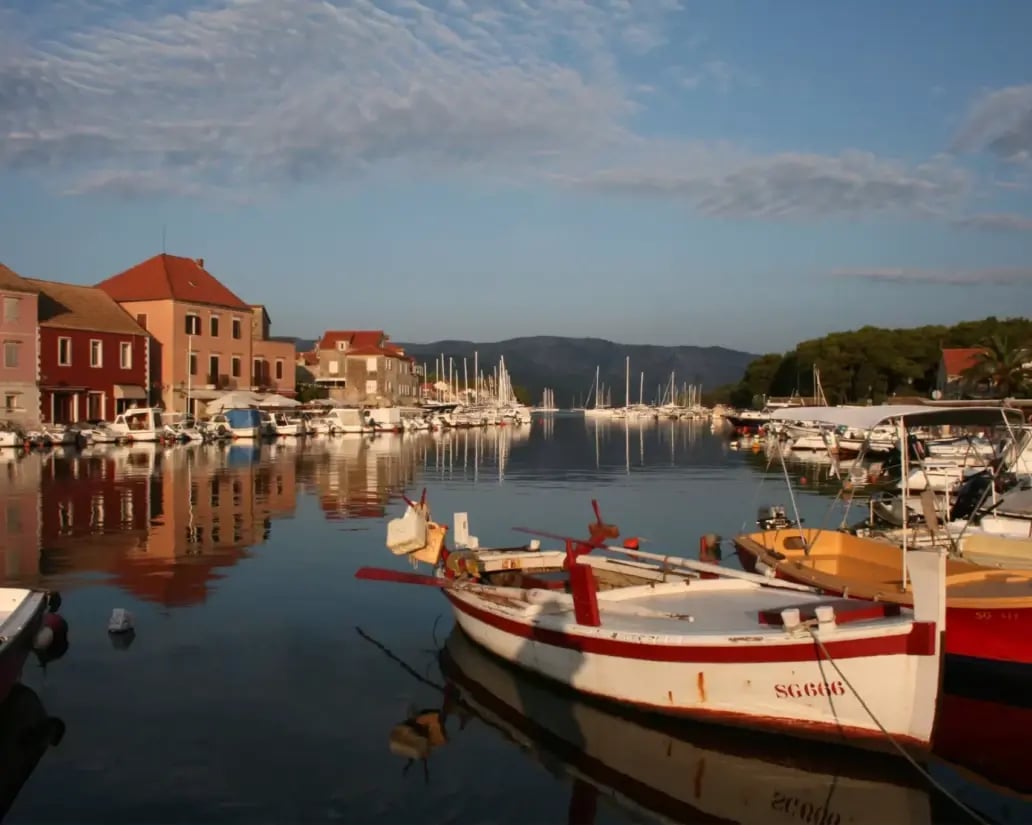
If I were to recommend a town to visit, I’d probably go for Stari Grad, on the eastern tip of Hvar. This is a very ancient town, dating back to 348 BC, and one that is just as beautiful as Hvar Town but somewhat less blighted by mass tourism.
Recommended anchorage: Vlaka, Pakleni Islands
43°10’1”N,16°21’58”E
A good lunchtime stop with an excellent restaurant in the sleepy village of Vlaka.
Mooring buoys – 15
Type of seabed: Rock
Korcula
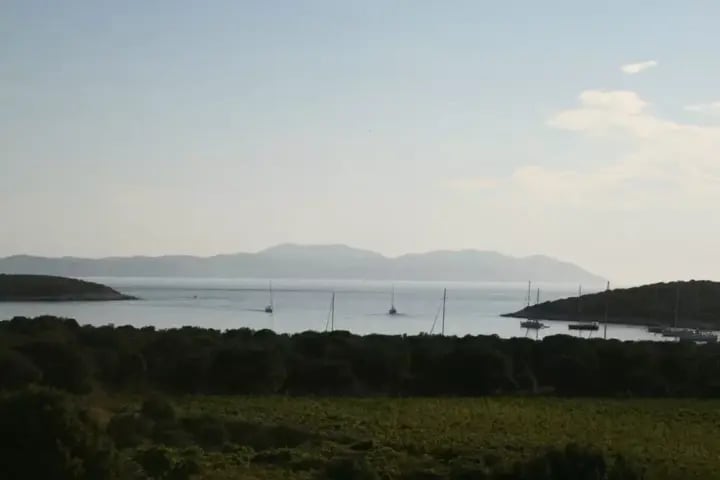
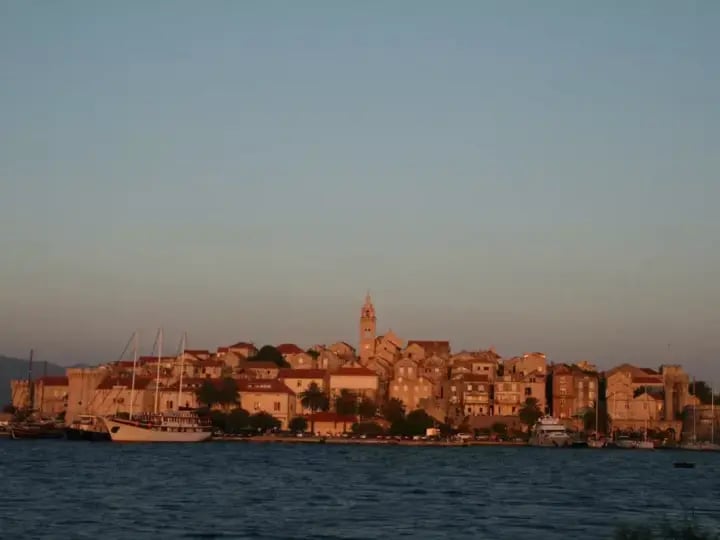
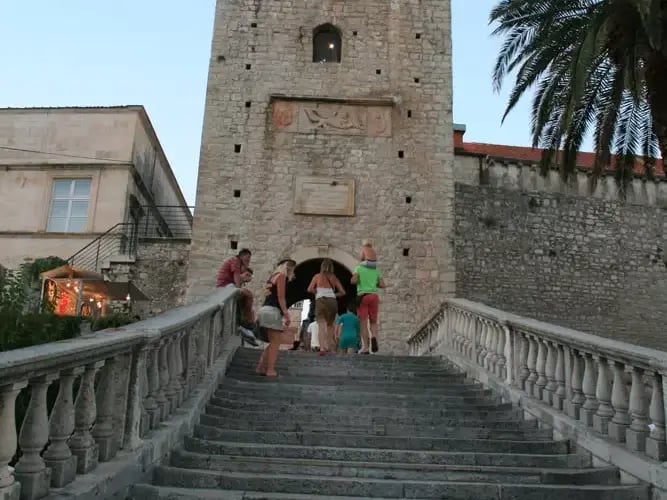
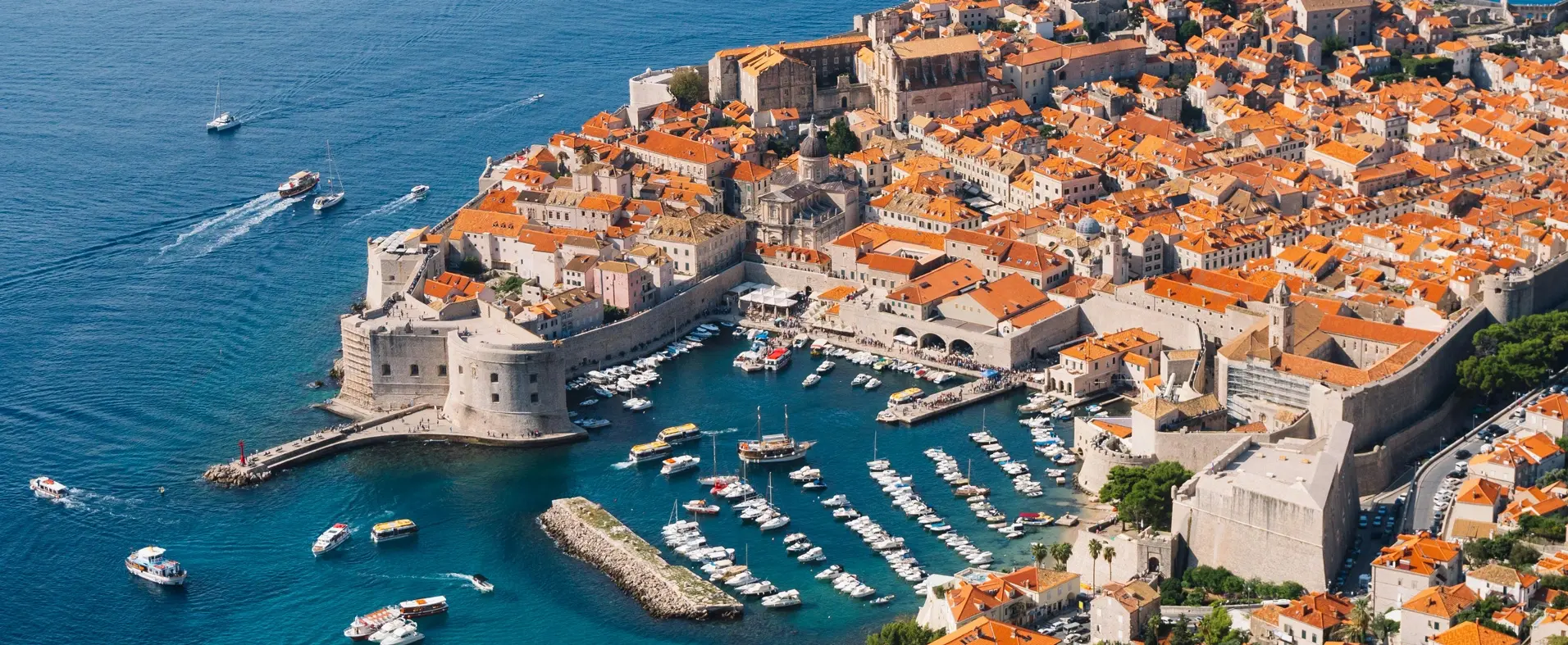
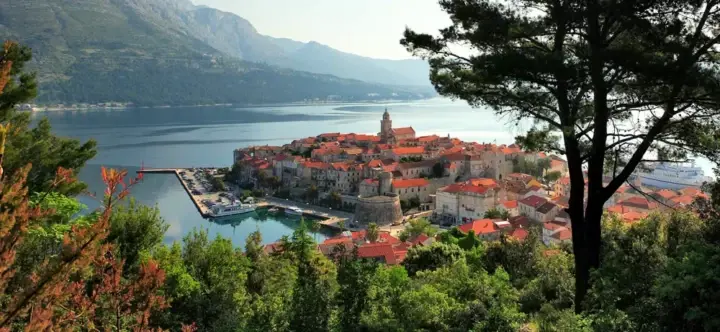
Korcula Town is one of those iconic spots that often appear on tourist brochures. It’s a pretty walled town – a sort of mini-Dubrovnik and claims to have been the birthplace of Marco Polo. There is a marina here, and you can moor on the harbor wall. I generally visited by anchoring at a spot called Gradina Bay at the southern tip of the island and taking a taxi down to the town. That sounds like a faff, but Gradina Bay is a lovely tranquil spot, and what you spend on taxis, you save on mooring fees, so it balances out.
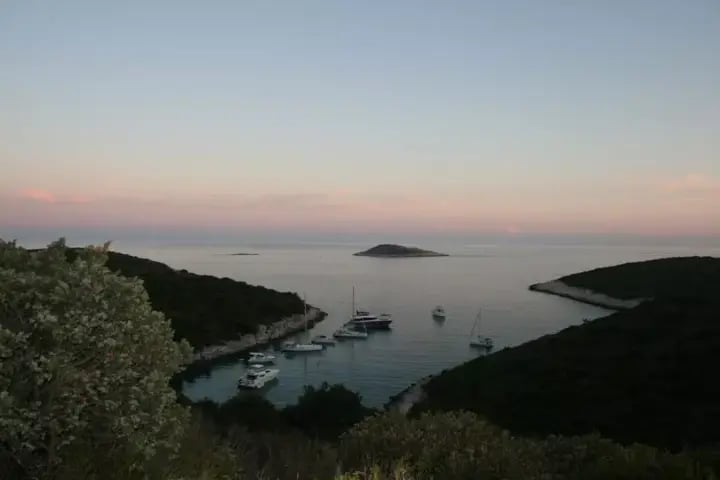
The other benefit is that Gradina Bay is a couple of kilometers from my favorite anchoring spot in the Dalmatian Islands; Proizd is more of an afternoon stop-off anchorage just off the southern tip of Korcula. It’s essentially a narrow strait between mainland Korcula and the small island of Proizd. I imagine it would be a dodgy spot if there were much wind or swell. Sailing through is quite unnerving as the water is so clear you feel certain you must touch the bottom even though there is actually plenty of depth.
I used to drop the hook here, prepare lunch, let the guests swim in the limpid water, and take a nap while the cooling breeze fanned through the channel. After that, I can sit back and let myself be soothed into sleep by the lapping water and the rhythmic hum of the cicadas.
Korcula Town is one of those iconic spots that often appear on tourist brochures. It’s a pretty walled town – a sort of mini-Dubrovnik and claims to have been the birthplace of Marco Polo. There is a marina here, and you can moor on the harbor wall. I generally visited by anchoring at a spot called Gradina Bay at the southern tip of the island and taking a taxi down to the town. That sounds like a faff, but Gradina Bay is a nice tranquil spot, and what you spend on taxis, you save on mooring fees, so it balances out.
Recommended anchorage: Uvala Gradina, Korcula
42°58’21”N,16°40’30”E
A nice bay with beautiful crystal-clear waters and a couple of bars ashore
Mooring buoys – Available
Type of seabed: Sand
Solta
Solta is an oft-overlooked island, the slightly vacant, less glamorous sister of Hvar, Korcula, and Vis. The island comprises mostly of splendidly inhospitable rocks and cliffs with few houses. This has ensured it retains a certain raffish charm, particularly if you head inland a bit.
Recommended anchorage: Sesula, Solta
43°23’34”N,16°12’36”E
A lovely, sheltered cove with a top-class restaurant just a few meters away serving delicious Peka – a local Croatian stew. Anchoring is allowed, but there are mooring buoys available too. Anchor stern to, and you’ll be helped by the staff of the local restaurant on the understanding that you buy dinner.
Type of seabed: Rock
Brac
Brac is a sleepy companion to neighboring Solta, and there are a handful of peaceful villages. Milna is a decent-sized port, but I found it slightly fishy when I was there. The smaller village of Bobovisca just to the north was extremely charming, however.
Brac also boasts the only sand beach in the Dalmatian islands, Bol or Zlatni Rat, a striking spit of land with iridescent white sands. Unfortunately, it’s generally a tad busy, and given that having a yacht removes the need for a beach, I’d skip it.
Recommended anchorage: Bobovisca, Brac
43°21’5”N, 16°27’35”E
A decent overnight anchorage in protected weather close to a village with a number of restaurants
Mooring buoys – available
Lines ashore – recommended
Type of seabed: Rock
Vis
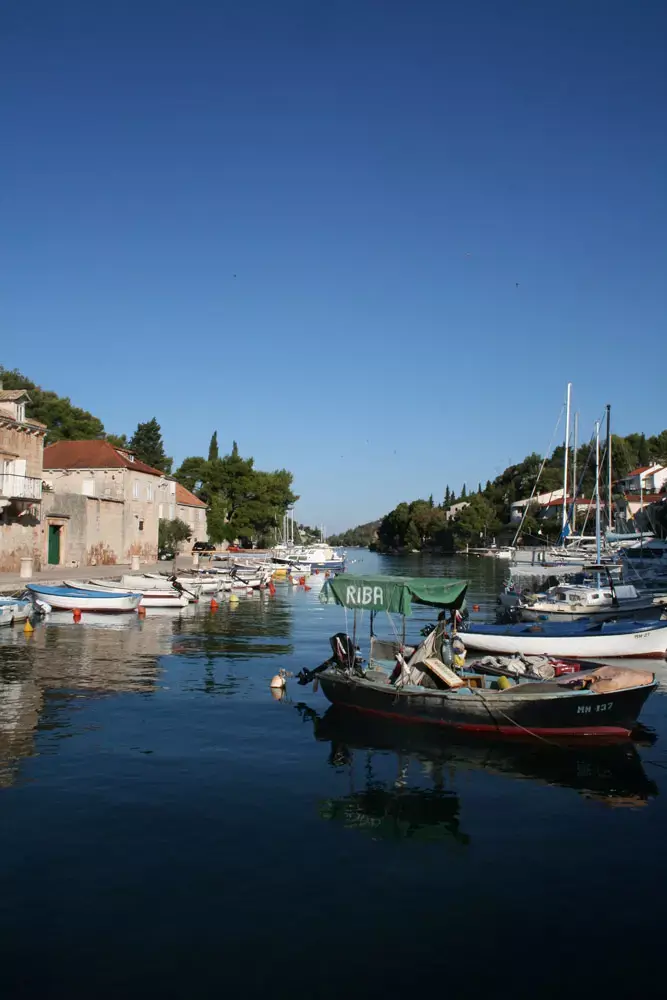
This was my favorite island. In the era of Tito, it was a military base and off-limits to civilians, giving it a crumbling charm mixed with a strange and very Balkan feeling of menace.
The main port is Vis Town, which I liked very much – not least because, in my time at least, The Yacht Week had been banned from the harbor wall on the grounds of causing a public nuisance.
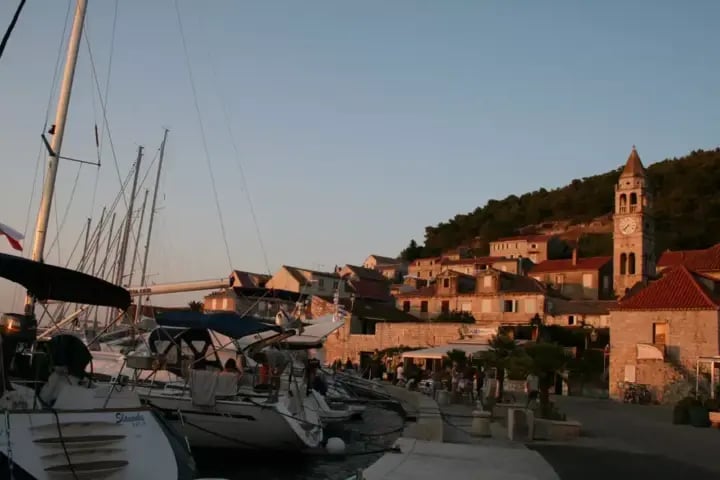
The town is lively but not overrun with tourists, and you can take a stroll along the waterfront to Grandovac, a small pebble beach.
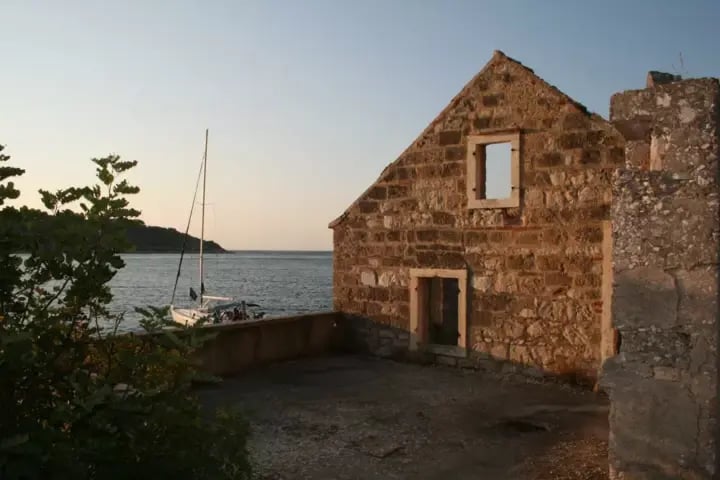
There is also an excellent anchorage at Rogacic just to the NE of Vis, which offers good shelter and holding, plus an intriguing nuclear submarine bunker which you can actually moor up alongside and is a fascinating relic of Tito’s Yugoslavia.
The other decent-sized port is Komiza on the island’s eastern side, which is similarly picturesque and worth a visit. I can’t say the same of the Blue Cave in neighboring Bisevo, which I always felt was rather hyped and overrun with tourists and tripper boats. If you have a yacht, don’t bother with them, is my advice.
Recommended anchorage: Uvala Stonica, Vis
43°4’2”N,16°11’33”E
Extremely well-protected anchorage not far from Vis town. Benefitting from good holding and access to a number of beaches.
Mooring buoys – not available
Type of seabed – sand/seaweed/mud
Want to discover other incredible destinations for your catamaran sailing?